Commercial Flood Damage Cleanup in Covington, IN
Below grade levels, loading docks and warehouse floors pumped and dried across Covington by commercial crews.
For Commercial Flood Damage Cleanup in Covington, Covington Water Restoration brings the equipment, the certifications, and the paperwork: 24/7 response, written scopes, and insurance claim support. Call (765) 517-7678 for dispatch.
- Service: Commercial Flood Damage Cleanup for Covington homeowners
- Service area: Covington, IN and surrounding areas
- Response time: Emergency calls from Covington dispatched immediately, day or night
- Licensed and insured (License #RC21100059)
- Serving Covington, IN since 2018
Commercial Flood Cleanup in Covington
We'll pump out and dry commercial buildings in Covington after floodwater gets inside.
Flood Exposure Here
Flood risk here runs highest for sites close to the Wabash River, which has a history of flooding. A high water table can hold floodwater against foundations and lower levels. Your building's own flood exposure gets mapped when we walk the site with your facilities contact.
Our flood crews work commercial sites throughout Covington, including the blocks around Liberty Street. We also handle commercial flood cleanup in Attica, Cayuga, Kingman and Hillsboro.
Commercial Flood Damage Cleanup for Covington Businesses
A flooded building with the air handlers still running will push humid air into parts of the property the water never reached. Covington Water Restoration coordinates with building engineering on commercial flood losses in Covington to get the HVAC into a mode that supports drying, and the crew sets dehumidification against the measured cubic volume of the affected space.
Property managers want to know who they'll be talking to on a loss this size. Covington Water Restoration names the contacts for scheduling and documentation on day one, and the crew lead walks your Covington building with your engineer before any equipment goes in. Daily notes with readings and photos go to the people you choose, whether that's your office or ownership.
Content pack out runs alongside the drying. Inventory, fixtures, records, and equipment come off the wet slab and get inventoried by item, quantity, and condition. Anything needing controlled conditions goes to climate controlled storage under a numbered list, and the list is what comes back when it's time to return contents to the building, so nothing gets argued about at the end of the job.
If an adjuster walks the building, you can have the crew there with the instruments and the log. Readings get taken at the same marked locations the daily log uses, and the floor plan with the wet boundary comes out. The facts are easy to show when the documentation was built as the work happened, and the decisions stay with you and your carrier.
Property managers call Covington Water Restoration for the whole arc of a commercial flood loss, from pumping and drying to pack out, documentation and the rebuild after. Dispatch to Covington runs within two hours, day or night. Get the water out of the building first, and the rest of the decisions get easier with real readings in front of you.
Signs You Need Commercial Flood Damage Cleanup
If you notice any of these in your Covington building, schedule a free inspection before the issue worsens.
An adjuster or lender asking for moisture readings and photographs of the flood damage
A damp dark band across the concrete slab that spreads overnight and shrinks during the day
Doors that stick or swell at the bottom edge after water reached the frames
Raised access floor panels rocking or sounding hollow, with standing water in the plenum below
Repeated tenant or staff complaints of a damp smell in one suite while the rest of the floor is fine
Carpet squishing underfoot in an entry lobby after a heavy rain
Rust forming at the base of steel shelving uprights or pallet racking where it meets the slab
Sump pit overflowing, or a sump pump that quit during the storm
Mechanical room under water, with floodwater around the boiler or the air handler
Water staining on stairwell walls or landings leading down to a basement or garage level
How Covington Water Restoration Handles Commercial Flood Damage Cleanup
We follow these steps in order on every Covington job.
Staged Water Drawdown
Below grade levels get pumped down in stages while the soil outside is still saturated. The crew pauses between passes to check walls and slab, and logs the water level each time.
Removing Soaked Materials
Porous materials soaked by floodwater, such as carpet and drywall, come out to the height the readings call for and get bagged where they fall. Each area is photographed before and after, and quantities go in the log.
HVAC Coordination
The crew works with building engineering to set the air handlers where they support drying and keep humid air out of unaffected areas. Ductwork and units that sat in water get flagged for your HVAC contractor to check before the system goes back into service.
Final Readings and Walkthrough
Equipment is pulled in stages as each material meets the dry standard on consecutive visits. The crew lead then walks the building with you, and the final readings by location go into the file.
Closeout File and Repair List
You receive the photographs, readings, equipment logs and disposal records in one file, along with a list of what was removed room by room. The people doing the repairs can scope from that list.
Commercial Flood Damage Cleanup in Covington
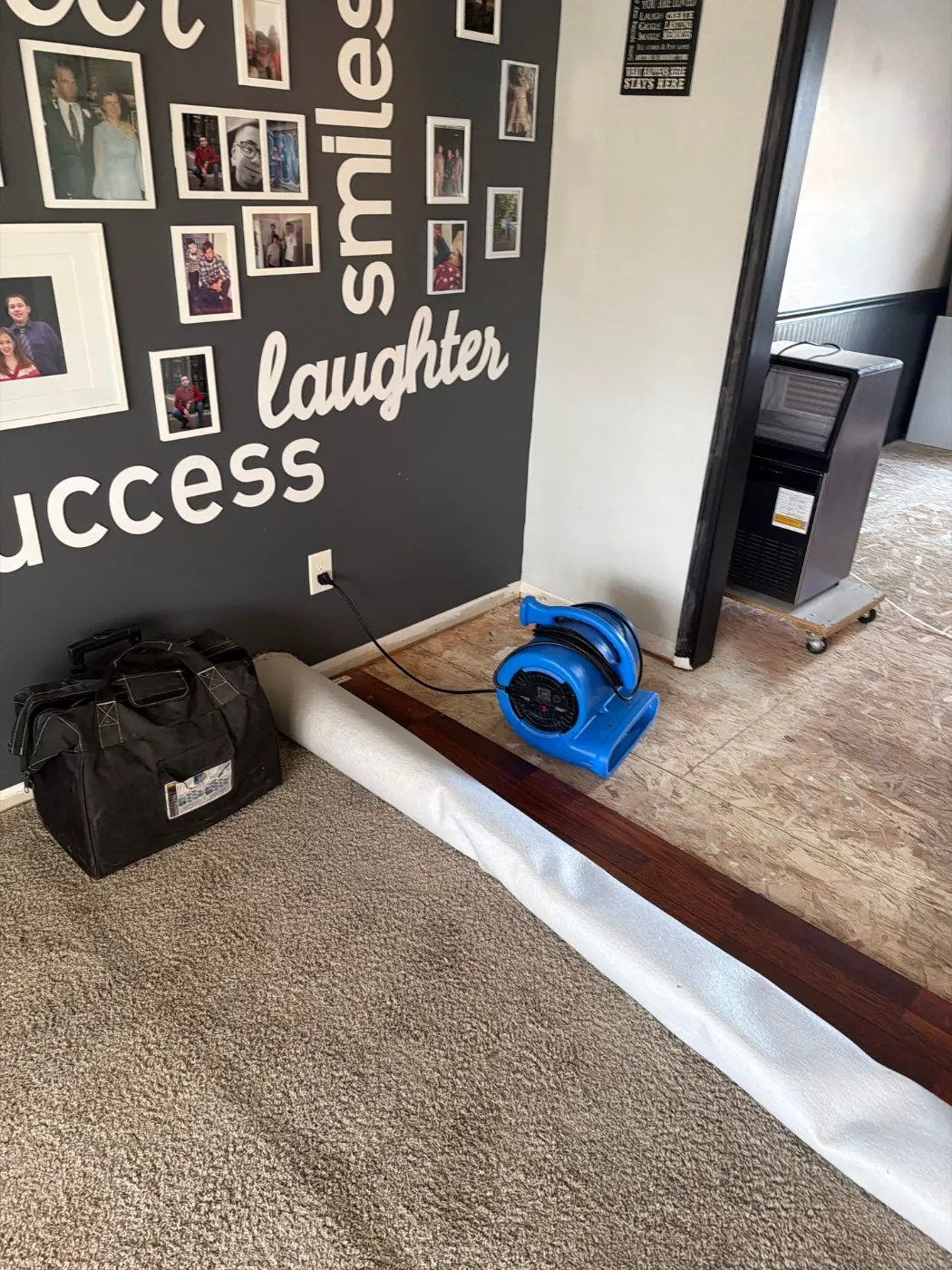
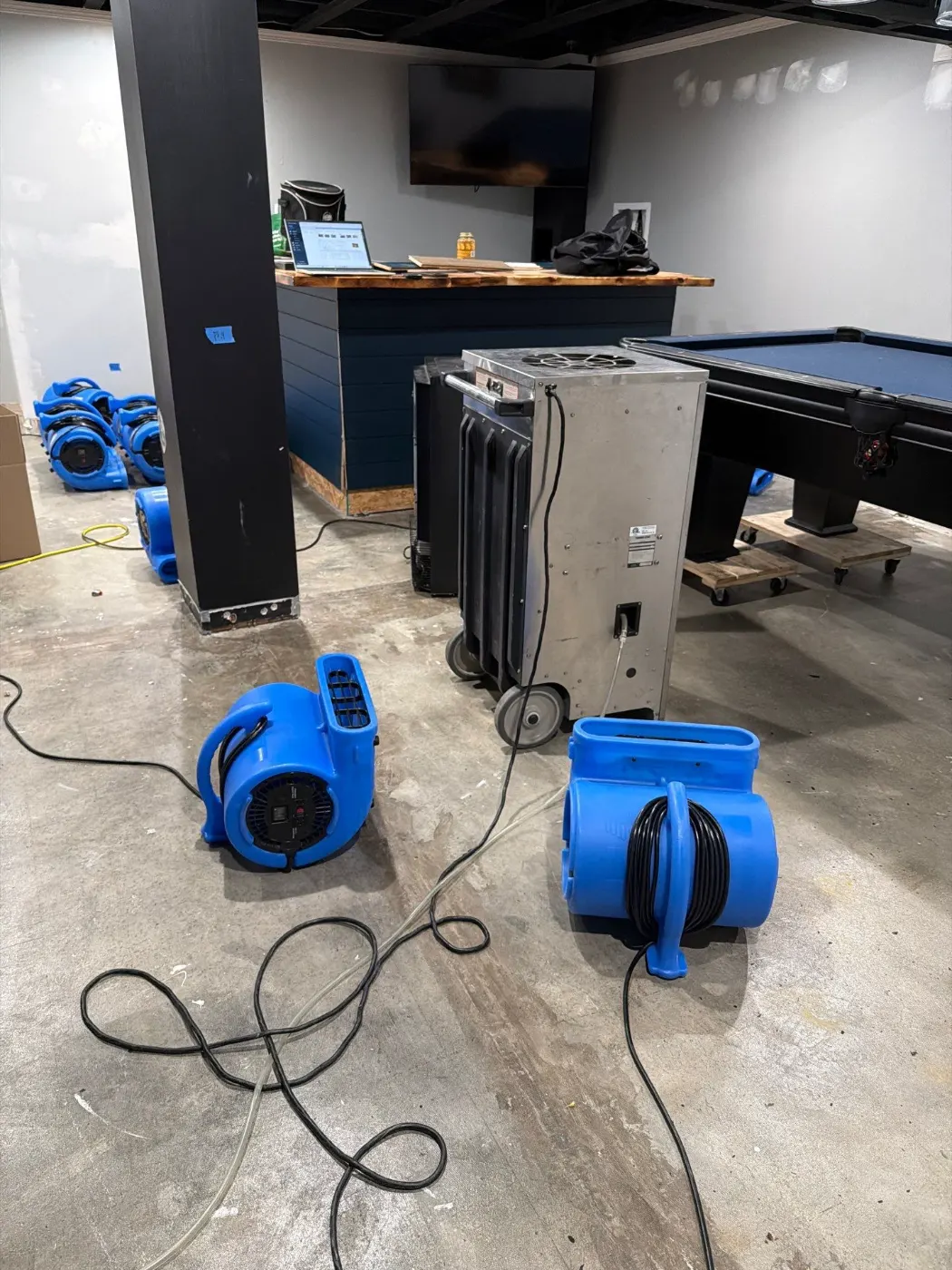
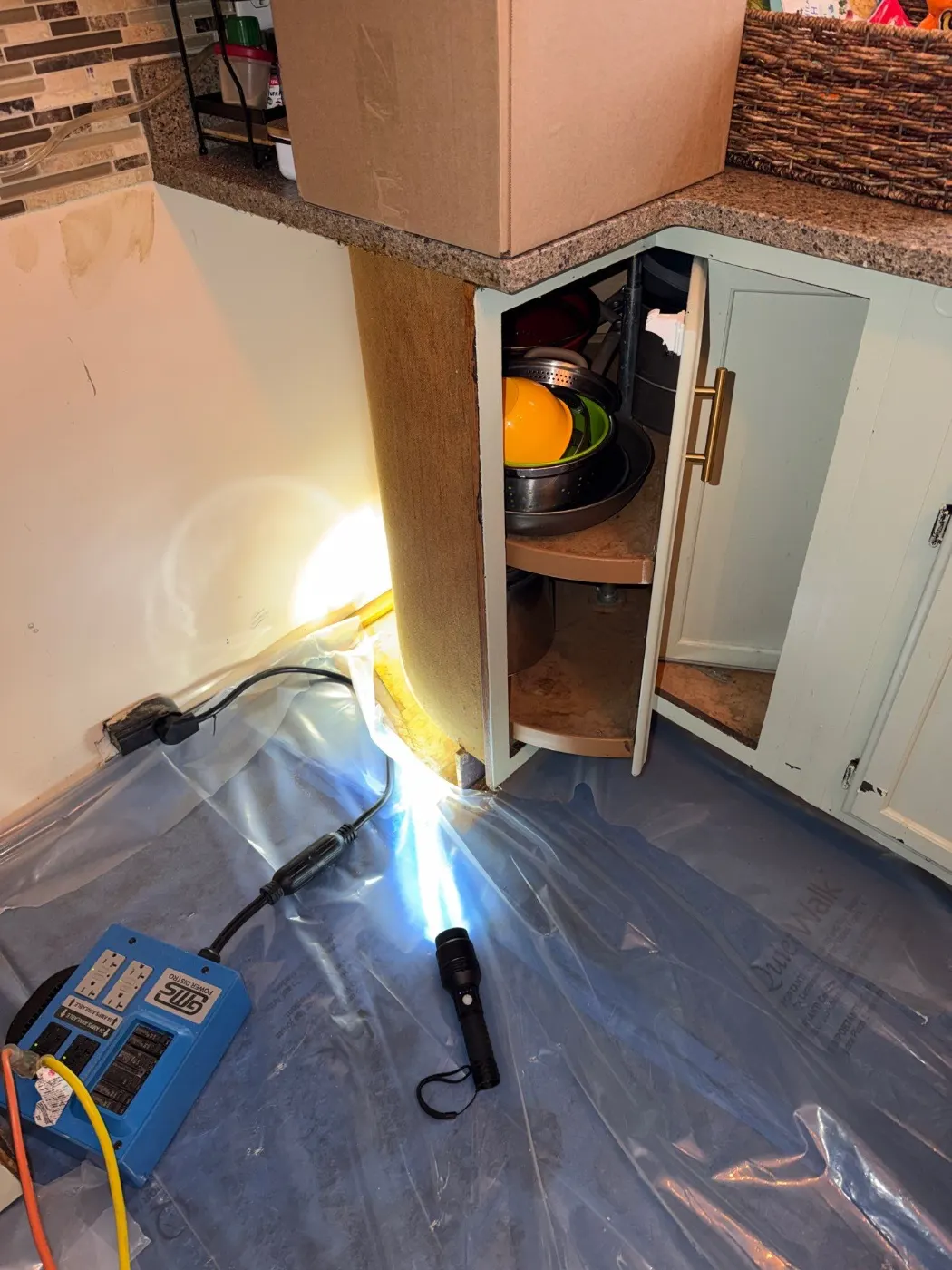
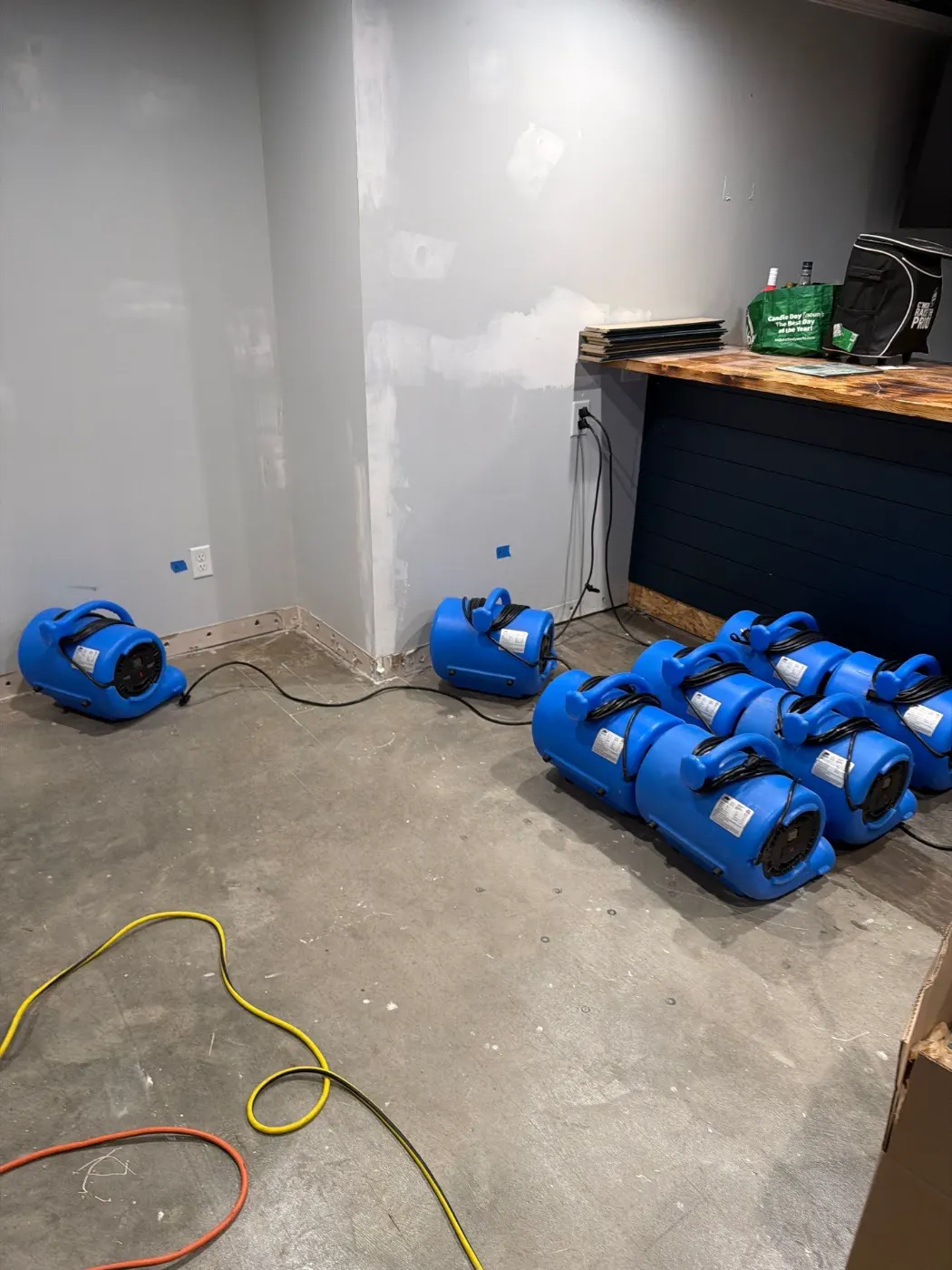
Photographs from real commercial flood damage cleanup jobs completed by our crew in Covington and surrounding areas.
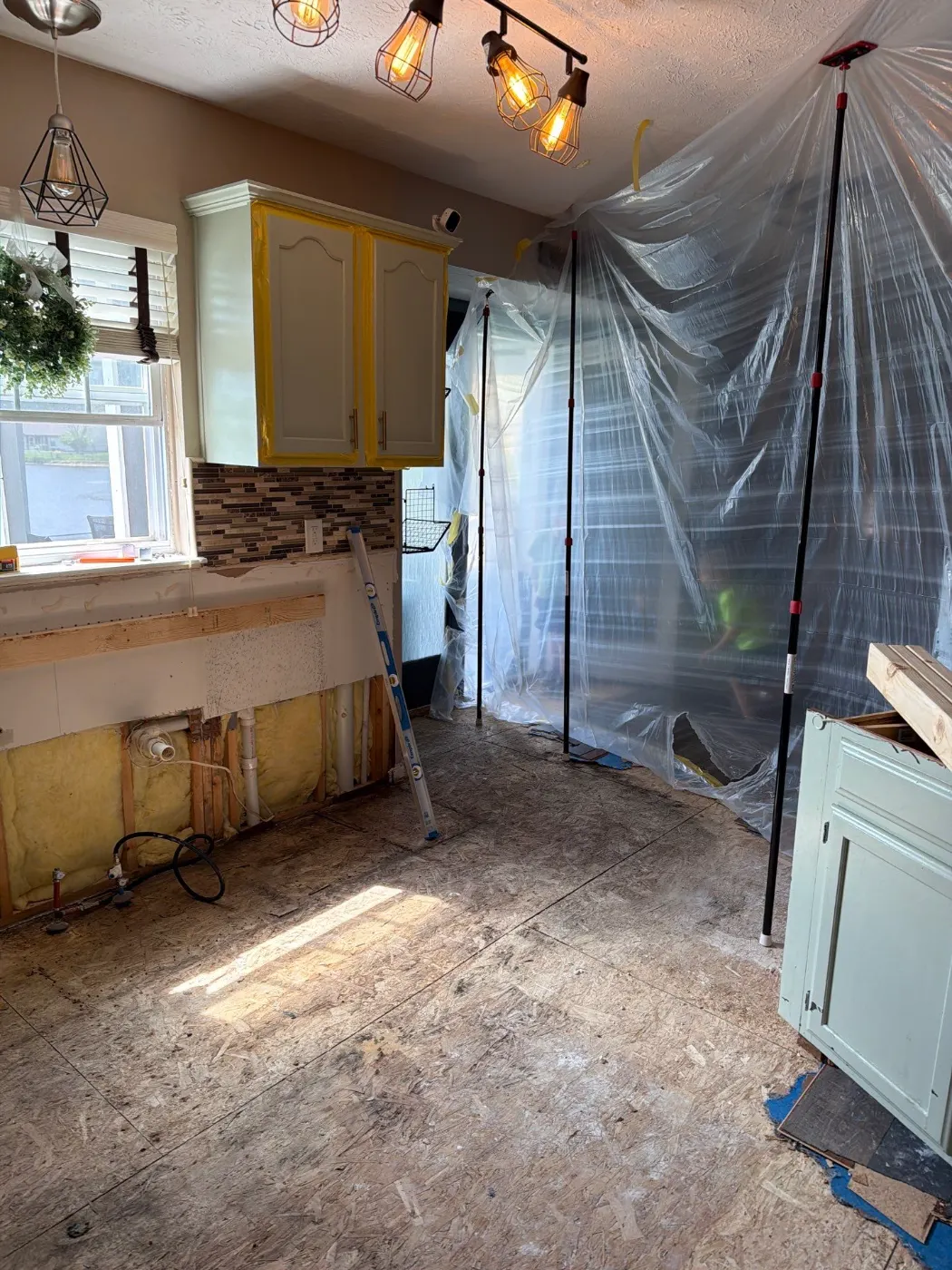
Commercial Flood Damage Cleanup FAQ
Questions Covington property managers ask us about commercial flood damage cleanup.
Guidance and Standards for Commercial Flood Damage Cleanup
- The ANSI/IICRC S500 is the published standard for professional water damage restoration. The current edition is the Fifth Edition, 2021. IICRC S500 Standard
- EPA advises drying water damaged areas and items within 24 to 48 hours to prevent mold growth. EPA: A Brief Guide to Mold, Moisture and Your Home
Covington Neighborhoods We Serve
We take commercial flood damage cleanup calls in every part of Covington. Pick your neighborhood for local details.
Other Restoration Services in Covington
Covington Water Restoration handles the full scope of restoration work. Explore our other services below.
Water Damage Restoration in Covington
24/7 emergency response. IICRC certified water restoration from extraction to full dry out.
Learn more →Basement Flooding in Covington
Basement water emergencies handled fast. Extraction, drying, mold prevention.
Learn more →Sewage Cleanup in Covington
Category 3 biohazard cleanup. Full containment, decontamination, structural restoration.
Learn more →Request Commercial Flood Damage Cleanup
Reach Us Directly
Our team is available 24/7 for emergencies and ready to schedule inspections during business hours.
Need Immediate Help?
For active water or mold emergencies, call us directly. We are available 24/7.